
 When involved in a personal injury case, one step is often overlooked but vital: seeking immediate medical attention. The significance of this step cannot be overstated, especially in the state of California. This article elucidates why you should always seek and must not delay medical care following an accident. We’ll discuss its importance from a legal standpoint, how it can affect the course of your treatment, and why it’s crucial for establishing a strong personal injury claim with the help personal injury lawyer in San Diego.
Legal Requirements
In California, medical records play an integral role in personal injury cases. Lawyers often rely on these documents to establish the scope of your injuries and subsequent damages. Prompt medical attention ensures that there’s a documented connection between the incident and your injuries, which can prove invaluable when building your legal case. Your San Diego personal injury lawyer will be better equipped to represent you effectively if your medical records trace back to the event in question.
Hidden Injuries
Sometimes, the extent of your injuries may not be apparent immediately following an accident. Whether you are dealing with a motor vehicle collision or a slip and fall, latent injuries can emerge over time. Seeking medical attention enables healthcare professionals to identify and document these hidden injuries, which can be critical when filing a later personal injury claim.
Timely Treatment
Not seeking or delaying medical treatment after an accident is not only risky for your health but can also have long-lasting repercussions on your recovery process. Timely medical attention serves as a proactive approach to identifying and addressing health issues before they escalate into severe conditions. This prompt action can significantly minimize long-term physical damage and the associated medical expenses.
Credibility
The act of seeking medical attention after an accident does more than just ensure your physical well-being; it also adds an essential layer of credibility to your personal injury claim. When you promptly attend to your medical needs, it sends a strong message to all relevant parties, including insurance companies and the judicial system. This act substantiates that your injuries are genuine and serious, thereby strengthening your position when negotiating settlements or presenting your case in court.
Legal Deadlines
California has specific statutes of limitations for filing personal injury claims. Failing to obtain medical care can lead to missing these vital deadlines, resulting in the loss of your right to compensation. Your personal injury lawyer in San Diego will guide you through these timelines, but you must act promptly to preserve this right.
Insurance Company Tactics
Insurance companies frequently look for reasons to minimize or deny compensation. When you delay seeking medical attention, you provide them with ammunition to argue that your injuries are either not severe or not related to the accident. By consulting a healthcare provider immediately, you protect yourself from such strategies.
Preservation of Evidence
Medical records serve multiple purposes. Aside from being essential for diagnosis and treatment, they also act as irrefutable evidence in a court of law. For a strong case that secures a favorable outcome, these records are invaluable. Your lawyer can better advocate for you when such evidence is timely and comprehensive.
Neglecting to seek medical attention after an accident in California can jeopardize both your health and your potential personal injury claim. Legal requirements, hidden injuries, timely treatment, credibility, legal deadlines, insurance company tactics, and evidence preservation all point toward the importance of immediate medical care. Contact us today for a consultation if you or a loved one has been involved in a personal injury case. Trust the Law Offices of Keith J. Stone to guide you through the complexities of the legal system.
 When it comes to personal injuries, clients often feel overwhelmed by the complexity of the legal system. The good news is, if you’ve been injured in an accident in California, multiple resources are available to guide you through the often-complicated landscape of personal injury law. This article will explore critical avenues for assistance and how a San Diego personal injury lawyer can assist you every step of the way.
California Personal Injury Laws
In the state of California, personal injury laws cover a wide range of incidents — from auto accidents and premises liability to dog bites. For instance, California operates under a “fault” system for auto accidents, meaning the person found to be responsible for the accident is liable for damages.
Similarly, California’s premises liability laws require property owners to maintain safe conditions, failing which they may be held accountable for any accidents. Moreover, California’s dog bite statute makes the owner strictly liable if their dog bites someone, even if the dog has never shown aggressive behavior before.
California Department of Motor Vehicles (DMV)
If you’ve been injured in an auto accident, the California Department of Motor Vehicles (DMV) serves as a vital hub for securing important documentation. The department is responsible for maintaining records of all motor vehicle accidents in the state, which can be integral to your case. Alongside providing accident reports, the DMV also outlines the necessary procedures to follow post-accident. This can range from legal obligations for notifying law enforcement to guidelines for exchanging insurance details with other parties involved, thereby offering a structured framework for steps to undertake after an incident.
California Animal Control Agency
For cases involving animal attacks or dog bites, the local Animal Control Agency is an invaluable resource. They don’t only file reports and conduct formal investigations but they are also empowered to enforce local and state laws related to animal control. They can quarantine animals that have attacked humans, collect evidence, and contribute to legal processes by providing official reports or even testifying in court. This agency’s role is especially significant if it becomes necessary to press charges against the pet owner for negligence or violation of local ordinances.
California Department of Insurance
The California Department of Insurance serves as an authoritative guide, providing a plethora of resources aimed at demystifying insurance coverage. Whether it’s understanding how medical expenses are covered or how much compensation you are entitled to for property damage, this department offers clarity. They can also intervene in disputes between insurance companies and policyholders, thus serving as an additional layer of oversight and protection.
California Courts Self-Help Center
The California Courts Self-Help Center stands as a comprehensive guide for those unfamiliar with the legal landscape. The center provides an extensive range of services, including easy-to-understand guides, sample forms for filing cases, and frequently asked questions covering numerous legal topics. These resources are designed to empower individuals to comprehend the intricacies of the court system, making the legal journey less overwhelming.
Personal Injury Lawyer in San Diego
While the above-mentioned resources are undeniably beneficial, they are no substitute for personalized legal representation. Engaging a qualified personal injury lawyer in San Diego can dramatically impact the success of your claim.
The Law Offices of Keith J. Stone goes beyond merely offering advice. With a meticulous approach to case analysis, we specialize in exploring all possible legal avenues tailored to your unique circumstances. Our comprehensive legal assistance encompasses negotiation with insurance companies, collection of evidence, and courtroom representation, all aimed at securing the maximum compensation you are entitled to. Contact us today for a free consultation to learn more about how we can help you recover after the accident.
 In the moments following a car accident, emotions often run high, and individuals involved may feel overwhelmed. Despite the turmoil, it is crucial to focus on collecting important evidence to support any future legal claims or negotiations. Evidence is the cornerstone of any car accident case, allowing you to assert your rights effectively. In this article, we will delve into the types of evidence that could be pivotal in a car accident in California for anyone involved with the help of San Diego personal injury attorneys.
Accident Report
One of the first pieces of evidence to acquire is the accident report. Prepared by the police or law enforcement who respond to the scene, this document includes critical details like the parties involved, location, time, and contributing factors to the accident. Having an accident report can significantly strengthen your case, especially when establishing liability.
Photographs and Videos
Visual evidence can prove invaluable. Photographs and videos can capture the severity of injuries, damage to vehicles, road conditions, and traffic signs. These images provide a factual basis that can corroborate or refute testimonies, making them a staple in evidence for car accidents.
Witness Statements
Eyewitness accounts can offer an unbiased perspective on the incident. Witnesses can affirm your version of the events, making their statements particularly potent when it comes to establishing fault. It’s advisable to collect contact details of any witnesses for further questioning by a Southern California car accident attorney.
Medical Records
Documenting medical treatments and consultations is pivotal. Medical records give a quantifiable measure of the injuries sustained, serving as concrete evidence of the pain and suffering endured. These documents can also be instrumental when claiming insurance benefits or when pursuing legal action.
Insurance Information
Ensure that you exchange insurance details with the other parties involved. This information will be essential for the claims process, allowing both sides to assess liabilities and damages. Inaccuracies or omissions can lead to unnecessary complications; hence the need for thorough documentation.
Vehicle Information
Just as with insurance information, details about the vehicles involved can be crucial. Make, model, year, and any other pertinent information can help establish the dynamics of the accident, especially when expert opinions are sought.
Cellphone Records
In instances where distracted driving is suspected, cellphone records may become a focal point in the case. Access to these records can provide a timeline that may prove or disprove such allegations.
Expert Opinions
Sometimes, an accident’s complexity may necessitate the intervention of experts. Whether it’s a forensic analyst or an automotive engineer, their specialized knowledge can lend credibility to your case, tipping the scales in your favor.
Repair Estimates and Invoices
These documents can substantiate your claims about the extent of damages to your vehicle. Repair estimates and invoices can corroborate other forms of evidence, rounding out a comprehensive case.
Communication Records
Texts, emails, or recorded calls between you and your insurance company, or other involved parties can also be used as evidence. This communication history can sometimes reveal inconsistencies that can be advantageous to your case.
Collecting exhaustive and compelling evidence is a prerequisite for any successful car accident claim. The above elements serve as a robust framework to help you or your legal representative in building a case that meets judicial scrutiny. To ensure you have a fighting chance in your claim, professional expertise is often necessary. Contact the Law Offices of Keith J. Stone today for a free consultation, and take the first step in securing the justice you deserve.
 The open road can offer a sense of freedom and opportunity, but it also comes with inherent risks. Car accidents remain a significant concern in California, and their consequences can range from minor inconveniences to life-altering injuries or fatalities. As Southern California car accident attorneys at the Law Offices of Keith J. Stone, we believe that a moment of prevention is worth a lifetime of cure. Below, we outline essential tips to help you minimize the risk of car accidents.
1. Avoid Distractions
A momentary lapse in attention can lead to devastating results. According to the National Highway Traffic Safety Administration (NHTSA), distracted driving claimed 3,142 lives in 2019. Activities such as using your phone or eating while driving should be avoided at all costs.
2. Obey Speed Limits
Speeding is a leading cause of accidents in California. Adhering to posted speed limits and adjusting your speed for road conditions can make a significant difference in your safety on the road. Remember, speed limits exist for a reason; they are not mere suggestions.
3. Maintain Safe Following Distance
Keeping a safe following distance between your vehicle and the one in front of you can give you the extra seconds needed to avoid a collision. The “three-second rule” is a commonly accepted guideline for maintaining a safe following distance, although this should be adjusted depending on road conditions.
4. Signal Properly
Signaling your intentions is an elementary yet crucial aspect of safe driving. When you’re about to make a turn or change lanes, using your turn signals lets other drivers prepare and react accordingly. Brake lights serve a similar purpose by alerting drivers behind you that you’re slowing down or stopping.
5. Obey Traffic Signs and Signals
Skipping a stop sign or racing through a red light jeopardizes not just your life but also the lives of others on the road. These traffic control devices are carefully calibrated based on speed limits, sight distances, and roadway conditions.
6. Don’t Drive Under the Influence
Alcohol and drugs severely compromise your motor skills, perception, and judgment. Even with a blood alcohol level below the legal limit, your capacity to make split-second decisions, which are crucial when driving, becomes impaired. The risk of causing a fatal accident makes driving under the influence an absolute no-go.
7. Be Aware of Blind Spots
Despite technological advances like blind-spot monitoring systems, the importance of manually checking your blind spots cannot be overstated. Vehicles, cyclists, or pedestrians can often be in these hidden areas, invisible to your mirrors. A quick over-the-shoulder glance provides a more comprehensive view, minimizing your blind spot risks.
8. Avoid Fatigue
Drowsy driving impairs your attention, slows reaction times, and can lead to microsleeps — tiny lapses in consciousness that can be fatal on the road. Rest stops, caffeine, or switching drivers are some measures to combat fatigue during long drives.
9. Defensive Driving
This proactive approach involves always being aware of your surroundings and anticipating potential risks. It means not just looking at the car in front of you but also keeping tabs on vehicles several cars ahead, beside you, and behind you. Defensive driving prepares you for sudden turns, stops, or erratic behaviors from other drivers.
The tips mentioned above can help significantly reduce the risk of being involved in a car accident. If you or a loved one has been affected by a car accident, it’s essential to consult experienced San Diego personal injury attorneys immediately. At the Law Offices of Keith J. Stone, we offer tested legal guidance and representation for auto accident cases. Contact us today for a free consultation.
 Each year, millions of people worldwide are involved in car accidents, often resulting in a myriad of injuries that require immediate attention. The spectrum of injuries after car accidents is broad, from minor scrapes and bruises to more life-threatening conditions. Prompt identification and proper medical treatment are critical for a full recovery and mitigating long-term effects.
Common Injuries Sustained in Car Accidents
Car accidents can cause a wide array of injuries, some apparent immediately, others hidden or delayed. These injuries range from minor to severe, with varying degrees of short-term and long-term impacts.
- Head and Brain Injuries
The sudden impact of a car accident often leads to head and brain injuries, including concussions and traumatic brain injuries (TBIs). Symptoms may include headaches, confusion, blurred vision, and memory problems. Without immediate treatment, these injuries can result in long-term cognitive impairment.
- Neck and Spinal Injuries
Neck injuries such as whiplash are common in rear-end collisions. Similarly, accidents can lead to cervical spine injuries, which can result in complications like paralysis. Both conditions require a careful diagnosis and appropriate treatment to avoid chronic pain and disability.
- Back and Chest Injuries
Back injuries, including fractures and herniated discs, often result from car accidents. Chest injuries like rib fractures can lead to severe complications such as punctured lungs. These injuries can significantly impact one’s daily life, requiring comprehensive rehabilitation programs.
- Limb Injuries
Fractures, dislocations, and sprains of the arms and legs are common. Depending on the severity, surgical interventions may be necessary, followed by extensive physical therapy.
- Internal Injuries
Car accidents can lead to internal injuries, including organ damage and internal bleeding, which are life-threatening. Diagnostic imaging and immediate medical intervention are critical in these cases.
Delayed-Onset Injuries and Hidden Symptoms
Not all injuries incurred during a car accident make their presence known immediately. Certain physical and psychological conditions can take hours, days, or even weeks to manifest, making them potentially more dangerous due to delayed treatment.
- Psychological and Emotional Trauma
Many individuals involved in car accidents experience psychological trauma, which can manifest as post-traumatic stress disorder (PTSD), anxiety, and depression.
The emotional scars can be just as debilitating as physical injuries, if not more so. Recognizing and addressing these psychological effects is crucial for a comprehensive recovery. Seeking mental health support and therapy plays a vital role in healing and rebuilding one’s emotional well-being.
- Soft Tissue Injuries
Injuries like whiplash-associated disorders, sprains, and strains might not show symptoms immediately. Regular medical evaluation is needed to identify and treat these injuries.
- Internal Injuries and Bleeding
Some internal injuries may not present immediate symptoms. Regular monitoring by healthcare professionals is vital to detect and treat these injuries promptly.
In all these cases, the importance of seeking medical attention and ongoing care cannot be overstated. Prompt diagnosis and treatment for both physical and psychological injuries are crucial for a successful recovery. Additionally, documenting these injuries is essential for legal purposes, especially if you decide to pursue a personal injury claim. This is where Keith J. Stone, Attorney at Law comes into play.
Seeking Legal Assistance from Keith J. Stone, Attorney at Law
Navigating the aftermath of a car accident can be overwhelming, making it imperative to promptly address any injuries and safeguard your rights. From confronting physical ailments such as a cervical spine injury to managing psychological trauma, immediate attention to your health is essential.
Enlisting the expert guidance of the Keith J. Stone, Attorney at Law offers an effective pathway through the intricacies of personal injury law, assuring that you obtain the rightful compensation you merit. Be proactive in defending your rights—reach out to the firm today and avail yourself of a free consultation.
 Envision yourself in an Uber, anticipating a safe arrival at your destination, only to become a casualty of an accident provoked by the Uber driver. How do you proceed?
Understanding Your Rights as an Uber Passenger
As an Uber passenger, you should be aware of your rights. Uber, along with its drivers, owes you a duty of care, meaning they are obligated to ensure your safety. Both federal and state laws impose this responsibility, which extends to cover accidents caused during an active Uber ride. This protective shield enables passengers involved in Uber accidents to claim compensation for the resulting damages and injuries.
Immediate Actions After the Accident
Dealing with the chaos of an accident demands attention, foresight, and meticulousness. One must remember that the steps taken in the immediate aftermath of an accident can significantly influence future legal proceedings and potential compensation. Let’s delve into a more detailed step-by-step guide on how to navigate this critical phase:
- Step 1: Prioritize Safety
Your health and well-being should always be the foremost concern. Even if the injuries appear minor at first glance, it’s crucial to seek immediate medical assistance. Some injuries, particularly those related to the head, neck, or spine, might not manifest symptoms immediately but can lead to severe complications down the line. Therefore, it is imperative to get a professional health evaluation and document any injuries, as this could be crucial evidence in a potential legal claim.
- Step 2: Document the Accident
Accurately documenting the accident plays a crucial role in constructing a strong legal case.
Firstly, take clear photographs of the scene capturing the damages to the vehicle, your injuries, road conditions, traffic signs, and any other relevant details. These images serve as undeniable proof of the event and its impact.
Next, gather the Uber driver’s information, including their name, contact details, license number, and insurance information. Record the make, model, and license plate number of the vehicle involved.
Additionally, if there were any eyewitnesses to the accident, collect their names and contact details as well. Eyewitness testimonies can significantly bolster your case by providing an unbiased account of the event.
- Step 3: Report the Incident
It is important to report the accident to Uber through their app promptly. This helps to establish a formal record of the incident with the company, which is especially useful when filing for compensation later.
Simultaneously, ensure you file a police report. Contact the local law enforcement agency and provide them with an accurate account of the incident. This official report can serve as a critical piece of evidence, confirming the circumstances of the accident and helping establish liability.
Remember, the process following an accident can be a tumultuous one. Yet, with due diligence, you can build a strong foundation for any subsequent legal action you may need to pursue.
Securing Legal Assistance from Keith J. Stone, Attorney at Law
Securing experienced legal help can make a substantial difference in your pursuit of justice. Keith J. Stone, Attorney at Law specializes in personal injury and wrongful death cases. A skilled San Diego personal injury attorney can aid in investigating the accident, interacting with insurance companies, and launching a legal claim if necessary. He offers tailored services to DUI accident victims and representation for wrongful death cases.
Negotiating the aftermath of an accident can be stressful and confusing. Remember, if you or a loved one have been a part of an Uber accident, tackling the legal complexities should not be a solo venture. Reach out to Keith J. Stone, Attorney at Law for a consultation and embark on your journey towards achieving the compensation you rightfully deserve.
 In the age of convenient ride-sharing services like Uber, the potential hazards and subsequent personal injuries cannot be ignored. In the unfortunate event of an accident, understanding personal injury claims becomes crucial. These claims aim to procure compensation for injuries resulting from another party’s negligence or wrongful actions.
Ways and Types of Compensation
Typically, there are three primary ways to get compensation:
- Insurance Settlement: This is the most common path to compensation. After filing a claim with Uber’s insurance provider, negotiations take place to reach a mutually agreeable settlement amount.
- Lawsuit or Legal Action: If a satisfactory settlement cannot be reached a lawsuit might be the next step. This involves taking the matter to court, where a judge or jury will determine the validity of the claim and the appropriate amount of compensation.
- Alternative Dispute Resolution (ADR): Methods such as mediation or arbitration provide another path to resolve the dispute outside the court system. In mediation, a neutral third party helps facilitate a resolution between the two sides. In arbitration, the arbitrator (or panel of arbitrators) acts somewhat like a judge, reviewing evidence and making a binding decision.
When considering compensation in personal injury cases, it usually encompasses the following categories:
- Medical Expenses: This is often the most substantial portion of a compensation claim. It includes costs for immediate medical attention post-accident, any hospital stays, surgeries, medication, physical therapy, rehabilitation, and any necessary medical equipment. Moreover, it also covers anticipated future medical expenses for ongoing treatment or long-term care related to the accident.
- Loss of Earnings: If your injuries have forced you to take time off work, affected your ability to perform your job, or even rendered you unable to work at all, you can claim compensation for the loss of income. This category includes not just actual lost wages but also loss of earning capacity if your injuries prevent you from returning to your previous line of work or limit your future employment opportunities.
- Pain and Suffering: This type of compensation pertains to the physical pain and psychological distress you’ve experienced due to the accident and your injuries. This can be harder to quantify than other types of damage but can include anxiety, depression, loss of enjoyment of life, or even post-traumatic stress disorder (PTSD).
- Property Damage: If the accident resulted in damage to your personal belongings such as a laptop, mobile phone, or other valuables you had with you during the ride, you could be entitled to their repair or replacement costs. This would be based on the value of the items at the time of the accident.
The exact nature and amount of compensation you may be entitled to can depend on many factors, including the specifics of Uber’s insurance policy, the extent of your injuries, the impact on your life and work, and the skill and expertise of your attorney. Thus, it’s crucial to work with an experienced personal injury lawyer who can effectively navigate the complexities of the compensation claim process.
Assert Your Rights, Secure Your Future
The role of a competent San Diego personal injury attorney in these circumstances is invaluable. They can guide you through the process, help decipher the insurance policy, collate convincing evidence, and negotiate assertively.
Keith J. Stone, Attorney at Law provides comprehensive legal services for Uber accident victims. The risks for Uber passengers are real, as is the importance of asserting your rights. Engaging a professional San Diego personal injury attorney can significantly increase your chances of a favorable outcome.
If you’ve been injured in an Uber accident, do not hesitate to contact Keith J. Stone, Attorney at Law for a consultation.
 Every year, thousands of lives are lost and countless others are permanently scarred by fatal car accidents. These devastating incidents, usually preventable, are characterized by collisions resulting in the death of one or more individuals.
Causes of Fatal Car Accidents
Fatal car accidents occur due to a myriad of reasons, most of which can be averted with careful attention and adherence to safety guidelines. Here’s a list of common factors leading to these tragedies:
- Drunk Driving: Alcohol impairs judgment, reduces motor skills, and hinders reflexes, making drunk driving a top contributor to fatal accidents. In 2019, 28% of all traffic-related deaths in the U.S. were caused by alcohol-impaired driving crashes (NHTSA, 2020).
- Distracted Driving: This includes any activity that diverts attention from driving, such as texting, eating, or talking to passengers. According to the CDC, each day in the United States, approximately 9 people are killed and more than 1,000 injured in crashes that are reported to involve a distracted driver.
- Speeding and Reckless Driving: Excessive speed reduces a driver’s ability to steer safely around curves or objects, extends the distance necessary to stop a vehicle, and increases the distance a vehicle travels while the driver reacts to a hazardous situation. NHTSA reported that speeding killed 9,478 people in 2019, accounting for 26% of all traffic fatalities that year.
- Poor Road Conditions: Potholes, inadequate signage, construction work, and lack of lighting can lead to deadly crashes. I
- Adverse Weather Conditions: Rain, snow, fog, or icy conditions can drastically reduce visibility and vehicle traction, leading to fatal accidents.
- Failure to Use Seatbelts: Despite seatbelts being one of the most effective ways to save lives and reduce injuries in crashes, millions of adults do not wear their seatbelts on every trip. NHTSA reports that 47% of passenger vehicle occupants killed in 2019 were not wearing seatbelts.
- Driver Fatigue: Drowsy driving is a serious problem that leads to thousands of automobile crashes each year. The National Sleep Foundation’s 2005 Sleep in America poll found that 60% of adult drivers—about 168 million people—said they have driven a vehicle while feeling drowsy in the past year, and more than one-third have actually fallen asleep at the wheel.
Consequences of Fatal Car Accidents
Fatal car accidents often result in severe physical and emotional trauma. Victims may suffer from degloving injuries, cervical spine injuries, and more. Beyond the physical damage, psychological trauma and grief can have long-term effects on the mental health of victims and their families.
Furthermore, the financial consequences can be devastating. From mounting medical bills to lost income, the economic impact can exacerbate the emotional turmoil. The aftermath often includes hefty funeral expenses and the daunting task of pursuing wrongful death claims.
Legal Services for Fatal Car Accident Victims
Fatal car accidents brutally expose life’s delicate balance, leaving behind a lasting impact that reaches far beyond the immediate incident. These catastrophic events often inflict deep wounds—physical pain and debilitation, emotional distress that echoes in the heart, and financial burdens that seem unscalable.
Keith J. Stone, Attorney at Law, is more than a legal professional—he is a dedicated advocate committed to lightening the load for those grappling with loss. His practice focuses not just on addressing the immediate legal issues, but on forging a path toward healing, recovery, and a future where hope can once again take root.
Your journey toward recovery begins with a single step: reaching out for help. Contact Keith J. Stone, Attorney at Law, and allow him to navigate the legal labyrinth on your behalf. With his guidance, the insurmountable suddenly becomes achievable. Stand strong—you are not alone.
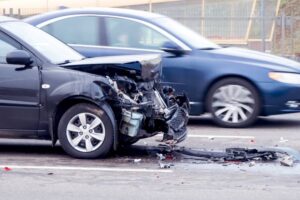 The National Highway Traffic Safety Administration (NHTSA) reports that nearly 533,000 lane-change-related accidents occur every year in the U.S., underscoring the gravity of the issue. Changing lanes car accidents can result in devastating repercussions, leaving victims and their families grappling with physical injuries, emotional trauma, and financial burdens.
Common Causes of Changing Lanes Car Accidents
When it comes to changing lanes in car accidents, several culprits are commonly found at the heart of these incidents, each contributing to the heightened risk and potential devastation that these situations can entail.
- Distracted Driving: One of the leading causes of lane-change accidents is distracted driving. Today, our attention can easily drift due to a multitude of distractions, especially electronic devices. From responding to a quick text message, changing the song on a music player, to checking navigation maps, these seemingly harmless actions can divert a driver’s attention from the road long enough to cause a devastating accident.
- Improper Signaling: A critical element in safe driving involves effective communication with other drivers on the road, primarily through proper signaling. Many accidents result from drivers changing lanes without using their blinkers or turning them on too late, providing an inadequate warning to other motorists.
- Failure to Check Blind Spots: Every vehicle has blind spots that mirrors can’t cover. Neglecting to check these areas before changing lanes is another major cause of collisions. Drivers must not rely solely on their mirrors; physically turning to glance over the shoulder can reveal vehicles hidden in the blind spot.
- Speeding and Aggressive Driving: Drivers who exceed speed limits or drive aggressively are often involved in lane-changing accidents. High speeds limit the time drivers have to react, and aggressive maneuvers, like weaving through traffic, increase the likelihood of causing an accident.
- Impaired Driving: Driving under the influence of alcohol or drugs significantly reduces a driver’s ability to operate the vehicle safely, often leading to poor judgment when it comes to changing lanes.
- Fatigue: Drowsy driving is another significant contributor to changing lanes in car accidents. Fatigued drivers may drift from their lanes unknowingly or make late decisions about lane changes.
Understanding these causes underscores the importance of safe and vigilant driving. However, even the most cautious driver can become a victim of another’s negligence, emphasizing the critical need for expert legal assistance following such accidents.
Impact on Victims
The aftermath of such accidents often includes debilitating physical injuries such as degloving injuries and cervical spine injuries. These injuries not only cause immediate pain but can also lead to long-term complications, requiring ongoing medical attention. Emotional trauma accompanies the physical, often leaving victims and their families in a state of shock, fear, and grief. Financially, the burden can be crippling, with mounting medical expenses and lost wages leading to significant economic stress.
Seeking Professional Assistance
In navigating these traumatic situations, it is crucial to have experienced legal representation. Personal injury attorney, Keith J. Stone, Attorney at Law in San Diego, is skilled at handling these complex cases.
The devastating impact of changing lanes car accidents underlines the importance of understanding their causes and consequences, and of seeking professional legal help. If you or a loved one has been affected, it is essential to consult with a San Diego personal injury attorney from Keith J. Stone, Attorney at Law. He can provide guidance, represent your interests, and work tirelessly to secure the compensation you deserve.
Do not let the complexity of the legal system deter you from pursuing your rights. Stand up, take action, and seek the help you need. Remember, the road to recovery may be long and challenging, but with the right support, you are never alone on the journey.
 Compensatory damages play a pivotal role in the resolution of legal proceedings, representing a cornerstone of the civil law system. At its essence, compensatory damages are monetary awards given to a plaintiff—the party that brings a lawsuit—to compensate for losses, harm, or injuries directly attributable to the defendant’s—the party being sued—negligence or intentional misconduct. This essay aims to provide a comprehensive overview of compensatory damages, including their types, influential factors, and the legal process to pursue them.
Types of Compensatory Damages
In civil litigation, compensatory damages are divided into two key categories: General damages and Special damages. These categories each address different areas of a plaintiff’s loss, with the common goal of financially restoring the plaintiff to their pre-harm condition. The following sections will succinctly define and discuss these types, their purposes, and their determination in court.
- General Damages
General damages are non-economic damages, difficult to quantify but no less significant. These include pain and suffering, emotional distress, and loss of enjoyment of life. To illustrate, a San Diego cervical spine injury lawyer might pursue general damages for a client suffering from long-term pain and emotional distress due to their injury. The amount awarded for these damages is determined by the court, typically based on the severity and long-term implications of the injury.
- Special Damages
On the other hand, special damages refer to economic losses attributable directly to the defendant’s actions, and they are much easier to quantify. They cover areas like medical expenses, property damage, and loss of earnings. For instance, if a person was involved in a DUI accident in San Diego, their attorney might strive to secure special damages.
This could involve the immediate medical costs, the cost of ongoing therapy or rehabilitation, repair or replacement of their vehicle, and compensation for the time off work during their recovery period. Special damages demand concrete evidence—medical bills, repair estimates, pay stubs, and potentially expert testimony—to substantiate the plaintiff’s financial loss.
Factors Influencing Compensatory Damages
Determining the precise amount of compensatory damages in a civil lawsuit isn’t a straightforward process. Several key factors come into play, influencing the ultimate sum awarded. Each factor carries its weight and complexity, substantially shaping the outcome of the lawsuit.
- Causation and Liability
Establishing a causal link between the defendant’s actions and the plaintiff’s damages is crucial. If, for instance, a wrongful death attorney in San Diego can demonstrate that a loved one’s death resulted from a drunk driver’s negligence, the defendant’s liability can significantly influence the compensatory damages awarded.
- Mitigation of Damages
The plaintiff has a duty to mitigate their losses, meaning they must take reasonable steps to limit the extent of their harm. For instance, if an injured party refuses necessary medical treatment, it could affect their claim for damages.
- Future Damages
Courts also consider long-term consequences and future financial losses. For instance, a San Diego spine injury attorney would argue for damages to cover future medical expenses and income loss.
The Legal Process for Pursuing Compensatory Damages
Navigating the pursuit of compensatory damages is a complex legal journey, layered with procedures, negotiations, and potential trials. This process involves distinct steps…
- Filing a Claim
- Gathering Evidence
- Negotiation and Settlement
- Trial and Judgment
Keith J. Stone, Attorney at Law
Compensatory damages function as an essential corrective mechanism, alleviating the financial stress endured by victims as a consequence of another’s negligence or wrongful conduct. The seasoned attorney, Keith J. Stone, is pivotal in successfully navigating the intricate terrain of such claims.
If you, or someone you hold dear, have encountered injury or loss, it’s crucial to promptly engage the services of a distinguished attorney, fortifying your pursuit of the compensatory damages rightfully due to you.
