
| Quick answer
In a California truck accident, the truck driver, trucking company, cargo loader or shipper, maintenance provider, truck owner or leasing company, a parts or vehicle manufacturer, a government entity, or another negligent driver may be held liable — depending on what actually caused the crash. Because commercial trucks are tied to several businesses, more than one party is often responsible. |
A truck crash can turn an ordinary drive into a serious injury claim. Commercial vehicles are heavier, harder to stop, and frequently connected to multiple companies — the driver’s employer, the truck’s owner, the company that loaded the freight, and the vendors that service the equipment. That web of relationships is exactly why truck claims should never be treated like a routine two-car fender bender.
At the Law Offices of Keith J. Stone, we help injured people in San Diego identify every responsible party — not only the person behind the wheel. When several parties contributed to a collision, focusing on a single defendant can leave important insurance coverage and evidence unaddressed. We review the facts early, preserve records, and explain which parties may be legally responsible before documents, data, and witness memories become harder to secure.
Liable Parties at a Glance
Here is a quick overview of who may share responsibility after a commercial truck crash and the kind of evidence that tends to point to each one.
| Potentially liable party | When they may be responsible | Key evidence |
|---|---|---|
| Truck driver | Speeding, distraction, fatigue, impairment, or unsafe driving | Logbooks, ELD data, dispatch messages, phone records |
| Trucking company | Driver acting within job duties; poor hiring, training, or scheduling | Hiring files, training records, safety complaints, dispatch notes |
| Maintenance / repair vendor | Faulty or skipped repairs to brakes, tires, steering, or lights | Repair orders, invoices, inspection reports (DVIRs) |
| Cargo loader / shipper | Overloaded, shifting, or unsecured freight | Bills of lading, weight tickets, loading and dock records |
| Truck owner / leasing company | Duty to inspect, maintain, insure, or pull unsafe equipment | Ownership documents, lease and service contracts |
| Manufacturer | Defective brakes, tires, underride guards, or safety systems | The vehicle, damaged parts, onboard data, recall history |
| Other driver / government entity | Cut-offs, chain reactions, unsafe road design or signage | Police report, witness statements, roadway and signal records |
The Truck Driver May Be Directly Responsible
The driver is usually the first person examined after a truck accident. A driver may be liable for speeding, unsafe lane changes, tailgating, distracted or impaired driving, fatigue, or failing to adjust to traffic and road conditions.
Driver records matter just as much as eyewitness accounts. Logbooks, electronic logging device (ELD) data, dispatch messages, inspection reports, and cell phone records can show whether a driver was tired, rushed, or distracted. Federal Motor Carrier Safety Administration (FMCSA) rules limit driving time for many commercial drivers, including an 11-hour driving limit after 10 consecutive hours off duty for property-carrying drivers.
The Trucking Company May Share Liability
A trucking company may be responsible when its driver causes a crash while performing job duties. California recognizes employer liability for employees acting within the scope of employment, which can make a company financially responsible for a driver’s negligent conduct in many work-related crashes.
A company can also be directly liable for its own conduct. Looking beyond the police report, our team examines whether poor hiring, weak training, ignored safety complaints, rushed delivery schedules, missed inspections, or delayed repairs contributed to the crash.
Maintenance Companies and Repair Vendors Can Be Liable
Commercial trucks require regular inspection and repair. When brakes, tires, lights, steering, trailer connections, or safety systems fail, the investigation should ask what was repaired and what was ignored. A repair vendor that performed careless work may share liability if that work contributed to the collision.
Maintenance records can reveal whether someone knew a dangerous condition existed and failed to fix it. Roadside inspection reports, invoices, driver vehicle inspection reports (DVIRs), and repair orders all help establish responsibility. FMCSA safety guidance is clear that out-of-service defects must be corrected before a vehicle operates again.
Cargo Loaders and Shippers May Be Responsible
Some truck crashes happen because cargo was not loaded or secured correctly. A shifting load can affect braking, steering, and rollover risk; loose cargo can fall into traffic; and overloaded trailers strain braking systems and make a truck harder to control. When a loader, shipper, warehouse, or freight handler created that condition, the claim may reach well beyond the driver and the carrier.
Cargo evidence should be preserved as early as possible. Photos, bills of lading, weight tickets, seal records, loading instructions, and dock records can show who handled the freight. Federal cargo securement rules require cargo systems and devices to be in proper working order and capable of preventing cargo from falling from a commercial vehicle.
Truck Owners and Leasing Companies May Be Involved
The company operating a truck is not always the company that owns it. When ownership and operating control are split, liability may turn on who had the duty to inspect, maintain, insure, or remove unsafe equipment from service.
This is one more reason truck claims should not be handled like basic two-car crashes. We examine ownership documents and contracts to determine whether the driver, motor carrier, trailer owner, equipment lessor, maintenance contractor, or insurer carried legal responsibility for the unsafe condition.
Manufacturers May Be Liable for Defective Equipment
A truck or parts manufacturer may be liable when a defective product contributes to a crash. Defective brakes, tires, underride guards, steering components, lighting systems, coupling devices, or electronic safety systems can turn a preventable hazard into a severe collision.
Product liability claims depend on preserving the vehicle and the damaged parts whenever possible. A thorough investigation may include the truck, trailer, onboard data, repair history, and the relevant parts before they are altered, repaired, or destroyed.
Other Drivers and Government Entities Can Also Matter
Not every truck crash is caused only by the truck driver or carrier. Another motorist may cut off a truck, stop suddenly, drive impaired, make an unsafe turn, or trigger a chain-reaction collision. In multi-vehicle crashes, responsibility may be divided among several drivers based on each party’s conduct.
A government entity may be involved if unsafe road design, poor signage, missing guardrails, dangerous construction zones, malfunctioning traffic signals, or neglected road hazards contributed to the crash. Importantly, claims against a California public entity carry shorter deadlines than ordinary injury claims, so early review is critical.
Why California Truck Accident Claims Are More Complex Than Car Crashes
Truck claims often involve more than one insurance policy and more than one legal theory. A single case can combine driver negligence, company responsibility, equipment failure, unsafe loading, and third-party conduct. Sorting out who pays — and how much — takes a coordinated investigation, not guesswork.
California follows a pure comparative fault rule. That means more than one party can be assigned a share of responsibility, and an injured person may still recover compensation even if they were partly at fault — with the award reduced by their percentage of fault. Identifying every liable party therefore does more than spread blame; it can expand the insurance coverage available to pay for your medical bills and lost income.
Evidence That Can Identify the Liable Parties
The strongest truck accident claims are built from records, not assumptions. Useful evidence often includes:
- The police or crash report
- Photos and video from the scene, including any dashcam footage
- Driver logs and electronic logging device (ELD) data
- Maintenance files, repair orders, and inspection reports
- Cargo records: bills of lading, weight tickets, and dock logs
- Dispatch notes, hiring records, and training files
- Onboard data (the truck’s “black box”)
- Medical records and repair estimates
- Witness statements
Avoid relying only on the first insurance adjuster’s version of events. When the investigation starts early, the work can help preserve documents, identify every insurance policy in play, and connect each fact to the party that may be legally responsible.
Related Case Results Show Why Full Review Matters
Our results reflect why a detailed review matters when commercial vehicles cause serious harm. In one auto accident case involving a garbage truck that ran a stop sign and caused multiple fractures, Attorney Keith J. Stone obtained a $975,000 settlement for the clients. Our firm has also secured a $1.9 million automobile accident settlement. These results do not guarantee any particular outcome, but they show what careful preparation can accomplish.
Frequently Asked Questions
Who is usually at fault in a truck accident?
There is no single default. The truck driver is examined first, but the trucking company, a maintenance vendor, the cargo loader, the truck’s owner, a parts manufacturer, another driver, or a government entity may share fault. The correct answer depends on the evidence in your specific crash.
Can more than one party be liable for the same truck crash?
Yes. Truck cases frequently involve multiple liable parties and multiple insurance policies. For example, a fatigued driver, a company that ignored safety complaints, and a vendor that skipped a brake repair could all bear a share of responsibility.
How long do I have to file a truck accident claim in California?
In general, California gives injured people two years from the date of injury to file a personal injury lawsuit. If a government entity may be responsible, you typically must file an administrative claim within six months. Deadlines and exceptions vary, so it is best to speak with an attorney as soon as possible to protect your rights.
What if I was partly at fault for the crash?
California uses a pure comparative fault rule, so you may still recover compensation even if you were partly responsible. Your award is reduced by your percentage of fault rather than barred entirely.
How can a trucking company be responsible for its driver’s actions?
Under California’s scope-of-employment rules, an employer can be held financially responsible for an employee’s negligence on the job. A company may also be directly liable for its own choices, such as negligent hiring, inadequate training, or pressuring drivers to meet unrealistic schedules.
What evidence matters most in a truck accident case?
Driver logs and ELD data, maintenance and inspection records, cargo and weight documents, onboard “black box” data, dispatch and hiring files, the police report, photos and video, and witness statements are among the most valuable. Much of this evidence is controlled by the trucking company and can disappear, which is why early preservation matters.
How much does it cost to hire a truck accident lawyer?
Many California personal injury attorneys, including our firm, handle truck accident cases on a contingency fee basis — meaning you generally pay no attorney fee unless we recover compensation for you. Ask about fees during your consultation so you know what to expect.
Accountability Starts With the Full Story
Truck accident liability is rarely limited to one careless moment. It can come from unsafe driving, rushed delivery pressure, poor maintenance, defective parts, unsecured cargo, or roadway hazards that should have been corrected. The Law Offices of Keith J. Stone helps injured people across California pursue the parties whose choices caused real harm — with clear communication, careful preparation, and client relationships that matter.
| Talk to a San Diego truck accident lawyer
If a truck crash has left you with medical bills, missed income, or uncertainty about who is responsible, contact us today for a free consultation. We will review the facts, identify every party who may be liable, and help you demand accountability. Call 619-531-2022 or contact us to get started. |
Disclaimer: This article is for general informational purposes only and is not legal advice. Reading it does not create an attorney-client relationship. Prior results do not guarantee a similar outcome. Laws and deadlines change and depend on the specific facts of your case — consult a licensed California attorney about your situation.
 A slip-and-fall accident can happen in a grocery aisle, hotel lobby, restaurant entrance, office building, parking lot, or retail store. One missed spill, loose mat, broken step, or poorly lit walkway can turn a routine errand into a painful injury. Commercial property owners and operators are expected to keep their spaces reasonably safe because guests rely on those spaces being maintained with care.
At the Law Offices of Keith J. Stone, we help injured people understand how a fall happened, who may be responsible, and what evidence may support a claim. From our office at 555 W Beech St, Suite 210, San Diego, CA 92101, our firm serves people across Southern California in personal injury matters.
If you were injured on commercial property, preserve your shoes, clothing, photos, incident report, witness names, and medical records. Then, contact us today so our firm can review the hazard and the property owner’s response before key evidence disappears.
Why Commercial Slip-and-Fall Hazards Matter
Commercial properties receive steady foot traffic, deliveries, cleaning activity, weather exposure, and customer movement. A spill in a market, a raised floor transition at a shop entrance, or a puddle near a restroom can become dangerous when staff fail to inspect, warn, or repair the condition.
California law states that everyone is responsible for injuries caused by a lack of ordinary care in the management of property or person. That principle matters because the issue is not just that a fall occurred. The question is whether the business or property operator acted reasonably before the fall or when it should have discovered the danger through routine inspection.
When our slip and fall lawyer reviews a claim, we look at whether the business created the hazard, failed to find it during routine inspections, or waited too long to correct a known danger.
Wet Floors and Unmarked Spills
Wet floors are among the most common hazards in commercial spaces. Spilled drinks, leaking refrigeration units, mopped floors, restroom overflow, rain tracked into an entrance, and cleaning products can all reduce traction. The danger increases when the floor looks clean but remains slick.
The National Institute for Occupational Safety and Health has identified liquid and greasy materials as conditions that may create slippery surfaces. Its retail and wholesale fall-prevention guidance also recommends cleanup supplies, warning signs, mats, and safer floor practices.
In a wet-floor claim, our slip and fall attorney reviews when the spill appeared, whether employees passed through the area, whether cameras captured the hazard, and whether warning cones were visible before the fall.
Loose Mats, Floor Transitions, and Uneven Surfaces
Floor mats can reduce water and dirt at an entrance, but they can also become hazards when curled, bunched, worn, unsecured, or placed on an uneven surface. A mat that slides forward under a customer’s foot can cause a sudden fall, especially at a doorway where people are moving from outdoor pavement onto polished flooring.
Floor transitions can create similar risks. Raised thresholds, uneven tile, cracked vinyl, broken concrete, potholes, and abrupt changes from one surface to another can catch a shoe or walker. In commercial settings, customers often look toward products, signs, doors, or checkout lines.
A premises claim often turns on details. Photos, measurements, maintenance invoices, inspection logs, and prior complaints may help show whether the business had notice of the condition.
Poor Lighting in Walkways, Stairs, and Parking Areas
Bad lighting can make a dangerous surface harder to detect. A customer who cannot see a broken step, curb edge, pothole, drain cover, or change in floor level may not have enough time to adjust. Lighting problems often arise in stairwells, parking garages, outdoor walkways, loading zones, patios, corridors, and hotel common areas.
NIOSH guidance recommends proper lighting in indoor and outdoor areas so shadows, glare, and dark spots do not hide trip hazards or surface irregularities.
Poor visibility can affect how a fall occurred and whether the hazard should have been corrected sooner. Our premises liability lawyer may review photos, maintenance requests, bulb replacement records, and witness statements to determine whether lighting contributed to the fall.
Stairs, Handrails, and Walkway Maintenance
Stairs require consistent design, secure handrails, visible edges, and clean walking surfaces. A missing handrail, loose railing, broken stair nosing, uneven riser, slippery tread, or poorly marked step can cause a serious fall. Even a small defect can become dangerous in a crowded business entrance.
Walkway maintenance also matters in parking lots, sidewalks, patios, and shopping centers. Cracked concrete, tree-root lift, loose gravel, warped decking, and broken tiles can create a sudden loss of balance. Many commercial claims require a review of leases, maintenance contracts, property management duties, and ownership records.
With our premises liability attorney reviewing the claim, we examine who controlled the area, who handled inspections, and whether the responsible party failed to repair the hazard or provide a warning within a reasonable time.
Clutter, Merchandise, Cords, and Weather Hazards
Commercial property owners often use floor space for displays, signs, extension cords, baskets, boxes, racks, and seasonal inventory. These items can narrow walking paths or create trip hazards when placed poorly. Similar hazards appear when pallets, plastic wrapping, tools, electrical cords, and misplaced merchandise remain in customer areas.
Rain and coastal moisture can create hazards at store entrances, lobby floors, parking areas, and outdoor stairs. Even in San Diego, businesses should anticipate that wet weather may affect walking surfaces. Reasonable prevention may include absorbent mats, warning signs, prompt mopping, drainage checks, and employee inspections.
Weather may explain how water reached the floor, but it does not automatically excuse a business from using reasonable safety measures. Our personal injury lawyer can assess whether the business treated a foreseeable wet-floor risk as unavoidable.
How Evidence Helps Prove a Commercial Property Claim
A strong claim depends on proof. Useful evidence may include incident reports, photographs, video footage, witness names, employee statements, medical records, inspection schedules, repair orders, cleaning logs, and prior complaints. The injured person’s timeline also matters, including when pain began, when treatment was received, and how the injury affected work and daily routines.
The attorney profile for Keith J. Stone notes that he has practiced since 1986 and handles personal injury cases involving premises liability and slip-and-fall accidents. The firm’s testimonials reflect client comments about communication, case attention, and results.
Because evidence can disappear quickly after a commercial fall, our accident attorney can request key records early and review whether an insurer is unfairly shifting blame onto the injured person.
Related Premises Liability Results
The firm’s premises liability results include an $800,000 verdict with costs paid by the defense in a case involving a worker who slipped and fell at a high-end retail store after a cleaning company failed to use a caution wet sign. The same results page states that outcomes depend on the facts and legal circumstances of each case, so prior results do not promise the same result in another matter.
Those results are relevant because a commercial fall claim may involve more than the store itself. A cleaning company, property manager, contractor, landlord, tenant, or maintenance provider may share responsibility depending on who controlled the hazard and who had the duty to fix it.
A Safer Property Starts with Accountability
Commercial property owners invite people in for business, services, housing, dining, shopping, and work. When a preventable hazard causes a serious fall, the injured person should not have to guess who controlled the property, who ignored the risk, or who should pay for the harm. The Law Offices of Keith J. Stone has served the community since 1986 with a focus on personal injury cases, client relationships, and meaningful case outcomes. If a fall on commercial property left you injured, contact us today so our firm can review what happened and explain the next steps.
 A sudden loss can leave a family with grief, bills, and urgent legal questions all at once. In California, a wrongful death suit is not open to every relative. The short answer is that the people who usually have the right to file are the deceased person’s surviving spouse, registered domestic partner, children, and in some situations other heirs or financially dependent individuals identified by statute. Families looking for clear direction can start with the Law Offices of Keith J. Stone, a Southern California firm that has served the community since 1986 in personal injury matters including wrongful death. If you are unsure whether your family has the right to sue, contact us today. When families need answers about standing and liability, our wrongful death attorney can help assess who may bring the claim under California law.
The Basic Rule Under California Law
California Code of Civil Procedure section 377.60 sets the legal starting point. It says a wrongful death action may be brought by the decedent’s surviving spouse, domestic partner, children, and the issue of deceased children. If there is no surviving issue, the people who would inherit under intestate succession may also have standing. The same statute also allows certain dependent people, such as a putative spouse, stepchildren, parents, or legal guardians of the deceased when the parents are deceased, to bring a claim in the right circumstances.
This matters because filing by the wrong person can create delay or dismissal. Before a case is filed, families should identify every person with a possible right to recover and make sure the case is structured correctly. That review often turns on family relationships, dependency, and whether the deceased left surviving children. Families often turn to our wrongful death lawyer for a careful review of those issues before the case begins.
Who Usually Has the First Right to Sue
In many cases, the first people examined are the spouse or registered domestic partner and the children. These are the clearest claimants under the statute, and they are often the people most directly affected by the death. If a child of the deceased has already died, that child’s own descendants may step into the picture as an issue of a deceased child.
If there is no surviving child or grandchild line, California law looks to the people who would inherit through intestate succession. That can include other relatives depending on the family structure. Because family trees are not always simple, standing should never be guessed. A careful file review at the start can prevent conflict later in the case.
When Parents, Stepchildren, or a Putative Spouse May Qualify
California also recognizes that some families do not fit a single pattern. Under section 377.60, certain people may sue if they were dependent on the deceased. That group can include a putative spouse, children of a putative spouse, stepchildren, parents, and in some situations legal guardians if the parents are deceased. The dependency requirement is important here. These claims do not exist just because of affection or family history. They depend on whether the person actually relied on the deceased for support within the meaning of the law. Questions like these are often easier to sort through with our wrongful death law firm reviewing the family structure and the evidence of dependency.
The statute also gives rights to a minor who lived in the deceased person’s household for the prior 180 days and depended on the deceased for at least one half of the minor’s support. That rule can matter in blended households and long term caregiving arrangements where a child was part of the home even without a traditional parent child relationship.
One Family, One Case
California law does not treat wrongful death as a separate lawsuit for each relative. The claim is generally pursued in a single action on behalf of all heirs who are entitled to recover, and the court can later determine the respective rights of the eligible parties in any award. That is one reason early coordination matters. If one heir files without addressing others who may have standing, the case can become more difficult than it needs to be.
Families who want more background on counsel can review Keith J. Stone’s attorney profile, which notes practice dating back to 1986 and work in wrongful death matters.
Filing Deadlines Can Change the Analysis
Who can sue is only one part of the question. Timing matters too. California Courts explain that many personal injury claims carry a two year limitations period, but deadlines can be affected by tolling rules and case specific facts. When the death involves medical negligence, California courts also note a different timing framework and a 90 day pre suit notice requirement for claims against healthcare providers. A family that waits too long can lose the ability to recover, even if the right person would otherwise qualify to sue. That is why many families speak with our wrongful death claim attorney as soon as possible after the loss.
Because limitation issues can depend on the cause of death, the defendant, and when the harm was or should have been discovered, families should act promptly. Delay can affect records, witness access, insurance review, and compliance with notice rules in medical negligence cases.
What a Wrongful Death Case Tries to Recover
Under California’s wrongful death statute, damages are meant to be fair under the circumstances, and the court decides the rights of the persons entitled to assert the claim. In practical terms, these cases often focus on losses tied to the death itself, such as lost financial support and funeral expenses, along with the loss of love, companionship, comfort, care, assistance, protection, affection, society, and moral support where allowed by law.
That legal framework is why the identity of the claimant matters so much. The relationship between the claimant and the deceased often shapes both standing and damages. A spouse, child, dependent parent, or qualifying minor may each present different forms of loss, and those differences should be addressed carefully from the start.
What Families in San Diego Should Do First
In San Diego and across California, the first practical step is to identify all possible heirs, preserve records, and determine what caused the death. Death certificates, medical records, collision reports, witness names, insurance information, and proof of financial dependence can all matter. Families should also avoid informal assumptions about who gets to file, because California’s standing rules are broader in some situations and narrower in others.
A strong early review can answer several questions at once: who has standing, whether the death may support a negligence claim, what deadline applies, and how the claim should be filed so all proper parties are accounted for. That kind of front end work can save time and reduce disputes later.
Why Families Turn to the Law Offices of Keith J. Stone
Losing a loved one because of another party’s conduct can leave a family with grief and uncertainty about what comes next. The Law Offices of Keith J. Stone helps families in San Diego and throughout Southern California assess who may legally file, what deadlines may apply, and how to build a claim that reflects the losses involved. If your family has questions about a wrongful death case, contact us today and speak with our firm about your legal options.
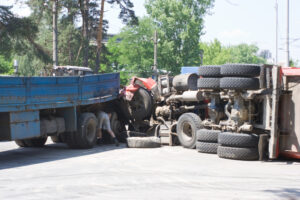 A truck accident claim in California is almost always more complex than a standard car accident case — and the gap is wider than most injured people expect. When a passenger vehicle collides with an 18-wheeler or other commercial truck, the injuries tend to be catastrophic, the investigation draws on federal safety rules, and legal liability can extend to the driver, the trucking company, a maintenance contractor, and a cargo loading firm — all at once, and each with its own insurer.
At the Law Offices of Keith J. Stone, our San Diego truck accident attorneys have been helping injured people across Southern California since 1986. Below, we explain the key factors that separate commercial truck accident cases from ordinary car crashes — and why those differences matter to the value and outcome of your claim.
The size disparity alone creates a different category of harm. According to the Insurance Institute for Highway Safety, large commercial trucks often outweigh passenger vehicles by 20 to 30 times. The majority of people killed in large-truck crashes are occupants of the smaller vehicle. That physical reality is the starting point for everything that makes these claims harder to litigate.
If a commercial vehicle collision has already disrupted your health, your income, or your family’s finances, contact us today for a free consultation with our firm.
Catastrophic Injuries Drive Up Claim Complexity
The injuries seen in commercial truck accidents are not merely “more severe” — they are often life-altering in ways that reshape every calculation in the case. Traumatic brain injuries, spinal cord damage, crush injuries, internal organ trauma, and permanent mobility impairment are all commonly documented after 18-wheeler collisions.
These injuries affect far more than the current hospital bill. Long-term losses in a serious truck accident claim may include:
- Future medical care, surgeries, and rehabilitation
- Lost wages and permanently reduced earning capacity
- Home care and assistance with daily living
- Pain, suffering, and loss of enjoyment of life
- Emotional distress and psychological treatment costs
Because the damages picture is larger and more complex to document, commercial insurers tend to contest both fault and the value of losses more aggressively than in a standard car crash. Our truck accident attorneys work with medical experts, life care planners, and vocational consultants to build a claim that reflects the full scope of what you have lost.
Federal FMCSA Regulations Add a Layer of Legal Analysis
Ordinary car accident cases are governed by state traffic law, police reports, and witness statements. Truck accident cases in California add an entirely separate body of federal law through the Federal Motor Carrier Safety Administration (FMCSA).
FMCSA regulations govern almost every aspect of commercial trucking operations, including:
- Hours-of-service rules (e.g., the 14-hour duty window for property-carrying drivers)
- Mandatory rest periods and off-duty time requirements
- Driver qualification, licensing, and background check requirements
- Drug and alcohol testing programs
- Vehicle inspection, maintenance, and repair obligations
- Cargo securement and weight limits
Violations of these rules don’t just help establish negligence — they can shift how courts and juries view the entire case. Electronic logging device (ELD) data, dispatch records, driver qualification files, and maintenance logs all become critical evidence. Our commercial truck accident lawyers know how to obtain, preserve, and analyze this evidence before it disappears.
Multiple Defendants Mean Multiple Insurance Layers
In a car accident, liability typically focuses on one driver. In a California trucking accident, the web of potentially responsible parties is far wider:
- The truck driver (negligent operation, fatigue, distraction)
- The trucking company or motor carrier (negligent hiring, supervision, scheduling)
- The vehicle owner (if different from the carrier)
- The maintenance contractor (if mechanical failure contributed)
- The cargo loading company (if improper loading caused a shift or spill)
- The truck or parts manufacturer (if a defect was involved)
Each party may carry separate insurance policies, retain separate defense lawyers, and assert separate defenses — often pointing fingers at one another. Coordinating a claim against multiple defendants requires a thorough review of driver training records, carrier contracts, delivery schedules, repair histories, and cargo manifests. Our truck accident lawyers build that full picture so that no liable party escapes accountability.
Critical Evidence Disappears Quickly — Early Action Is Essential
Unlike a car accident, where the main evidence is a police report and vehicle damage photos, commercial truck accident cases rely on categories of evidence that can vanish fast:
- Event data recorder (“black box”) data showing speed, braking, and throttle
- Dashcam and forward-facing camera footage
- Electronic logging device records showing hours on duty
- GPS and dispatch communication logs
- Weigh station and inspection records
- Driver qualification and prior violation files
- Post-accident drug and alcohol test results
Carriers may overwrite electronic data within days under routine document retention policies — unless a legal hold notice is served promptly. Sending that preservation demand is often one of the very first steps our San Diego personal injury lawyers take after being retained. Delay is not a neutral choice in these cases; it can permanently eliminate your strongest evidence.
High-Stakes Insurance Policies Mean a More Aggressive Defense
Federal regulations require commercial carriers to carry substantially higher liability insurance minimums than ordinary drivers. Those larger policies do not make claims easier to resolve — they make the defense more organized and more aggressive from the start.
The National Highway Traffic Safety Administration reported that 5,788 people were killed in crashes involving large trucks in 2021, with 72 percent of those fatalities being occupants of other vehicles. Carriers and their insurers understand the financial exposure these cases represent, and they often deploy experienced defense teams immediately after a serious crash.
Tactics commonly used by trucking company insurers include:
- Rapid deployment of investigators to the crash scene
- Early blame-shifting toward the injured driver
- Challenges to medical causation and the necessity of treatment
- Attempts to minimize long-term injury and future care projections
Meeting that level of defense requires a legal team with experience in the trucking industry — not just general personal injury practice.
Company Records Can Reveal a Pattern of Unsafe Conduct
Some of the most valuable evidence in a truck accident lawsuit is not at the crash scene — it is inside the trucking company’s own files. Driver hiring records, prior safety violation notices, inspection histories, previous accident reports, and internal communications can reveal whether the collision was part of a systemic problem rather than an isolated event.
A carrier that knowingly kept an unqualified driver behind the wheel, or ignored a pattern of hours-of-service violations, faces potential exposure beyond basic negligence. Our commercial vehicle accident attorney Keith J. Stone has been litigating cases like these since 1986, and that experience includes understanding which company records to subpoena and how to use them to build a complete liability picture.
You can learn more about Keith J. Stone’s background and the firm’s litigation history on the attorney profile page, which includes truck accidents among the firm’s documented areas of practice.
Case Results and Resources Support Your Research
The firm’s website includes case results for past auto accident recoveries, including a $1.9 million automobile accident settlement. While every case depends on its own facts — and no outcome is guaranteed — that kind of public record reflects real litigation experience rather than general marketing language.
Prospective clients researching the firm can also review client testimonials and the firm’s Avvo profile as part of their due diligence.
Acting Quickly Protects the Full Value of Your Claim
Many truck accident victims assume they can wait until medical treatment is nearly complete before speaking with a lawyer. In a commercial truck accident case in California, that delay carries real risk.
While you focus on recovery, the carrier’s defense team may already be:
- Interviewing witnesses
- Downloading and preserving only the electronic data helpful to their case
- Building a narrative that shifts fault away from their driver
- Preparing to argue that your injuries were pre-existing or unrelated
Early legal representation allows our team to serve preservation demands, identify every liable party, investigate the crash independently, and ensure the facts are fully developed before the other side shapes the story. The sooner you act, the stronger your position.
Frequently Asked Questions About California Truck Accident Claims
How long do I have to file a truck accident lawsuit in California?
California’s statute of limitations for most personal injury claims — including truck accident lawsuits — is two years from the date of injury. However, claims against government entities require a government tort claim within six months. Because critical evidence can disappear far sooner than the legal deadline, we strongly recommend consulting an attorney as soon as possible after the crash.
Who can be sued after a commercial truck accident in California?
Depending on the facts, potentially responsible parties can include the truck driver, the motor carrier or trucking company, the vehicle owner (if separate from the carrier), a maintenance provider, a cargo loading company, and — in defect cases — a parts manufacturer. Our attorneys investigate all possible sources of liability from the start.
What compensation is available in a California truck accident claim?
Injured victims may be entitled to compensation for medical expenses (past and future), lost wages and reduced earning capacity, pain and suffering, emotional distress, property damage, and — in cases of egregious misconduct — punitive damages. The full value of a claim depends on the severity and permanence of the injuries involved.
What makes a trucking company legally responsible for a crash?
A trucking company can be held liable under several legal theories, including respondeat superior (responsibility for employee drivers), negligent hiring or retention of an unqualified driver, failure to enforce hours-of-service rules, and inadequate vehicle maintenance. FMCSA regulation violations are often central to establishing carrier liability.
How much does it cost to hire a truck accident attorney in California?
The Law Offices of Keith J. Stone handles truck accident cases on a contingency fee basis — you pay no attorney fees unless we recover compensation for you. The initial consultation is free.
Speak With a San Diego Truck Accident Attorney Today
A commercial truck accident puts you in a different legal situation than most car crashes — one with more parties, more regulations, more evidence to gather, and more at stake. The Law Offices of Keith J. Stone has been navigating these cases for injured clients in San Diego and across California since 1986.
If a truck crash has disrupted your health, your income, or your family’s stability, contact us today to speak with our team about your options. We review truck accident cases throughout California, with no fees unless we win.
 Motorcycle collisions can upend lives in seconds, leaving riders to deal with painful injuries and steep financial losses. At the Law Offices of Keith J. Stone, we have guided San Diego families through the legal maze since 1986, focusing our practice on securing fair results for those hurt by another’s negligence. Understanding how liability works under California law is the first step toward recovering full compensation.
A single misjudgment on a busy Interstate 5 exit ramp can raise many questions: Who had the right of way? Did road design contribute? Was a driver speeding or distracted? California courts answer these questions through the rules of negligence, evidence standards, and the state’s pure comparative fault doctrine. Because the initial investigation shapes every dollar you may ultimately receive, early legal guidance is crucial.
California’s Negligence Standard
Civil liability in traffic crashes depends on four elements: duty of care, breach, causation, and damages. Every motorist must drive safely and follow traffic rules. A breach occurs when a driver texts behind the wheel or drifts into a rider’s lane, and that misconduct directly causes injury, meeting the causation and damages requirements.
The California Vehicle Code offers clear benchmarks for safe driving. For example, Vehicle Code § 21658 directs drivers to stay within a single lane until a lane change can be made with reasonable safety. When a driver weaves without checking mirrors, that violation strongly supports a negligence finding.
The Role of Comparative Fault
California follows a pure comparative negligence model adopted after the landmark state Supreme Court decision Li v. Yellow Cab in 1975 and extended in American Motorcycle Association v. Superior Court. Under this rule, an injured plaintiff may recover damages even if the rider is partly at fault because each party bears only the percentage of loss their actions caused. If total damages equal $200,000 and the rider is 20 percent responsible, the net recovery becomes $160,000.
Lane Splitting and Motorcycle-Specific Rules
California uniquely permits lane splitting under Vehicle Code § 21658.1, letting riders move between lanes of slow or stopped traffic when conditions are reasonably safe. Determining safety hinges on speed differentials, traffic density, and the rider’s lane position. If a driver drifts over without signaling, primary fault can rest with that driver even while the rider is lane splitting.
While building your claim, our team relies on guidance from a motorcycle accident lawyer to present lane-splitting evidence in a way insurers cannot use to shift blame onto the rider.
Common Evidence Used to Prove Fault
Building a persuasive claim begins with collecting multiple forms of proof that document the crash, the conduct of each party, and the injuries that followed. The evidence types outlined below help establish a clear timeline, validate witness accounts, and demonstrate how specific negligent acts caused measurable harm.
- Police collision reports: diagrams, road conditions, and code citations that document the scene.
- Witness statements: firsthand accounts of traffic signals, vehicle speeds, and driver actions.
- Helmet-camera and dash-cam footage: real-time video that captures lane positions and sudden moves.
- Cell-phone metadata and GPS logs: records that confirm texting, calls, location, and speed.
- Medical records and reconstruction analysis: evidence that ties specific injuries to crash forces.
Our motorcycle injury attorney moves quickly to secure traffic-camera recordings and other fragile digital evidence before agencies overwrite or delete crucial files.
Insurance Company Investigations
Insurers launch their investigations within hours, interviewing witnesses and examining vehicles at tow yards. Adjusters often seek recorded statements that prompt riders to guess at speed or reaction time, then use those guesses to shrink payouts. Securing legal representation early levels the playing field and protects crucial evidence.
To counter these tactics, we collaborate with reconstruction professionals, leveraging the insight of our personal injury lawyer in California to build a fact-based narrative that insurers cannot dismiss.
Shared Fault Scenarios Explained
Multiple-party crashes are common in urban corridors like El Cajon Boulevard or State Route 94, where heavy traffic mixes cars and bikes in close proximity. Liability may be divided among a distracted driver, a municipality that allowed faded lane markings, and a motorcycle parts manufacturer whose brake defect helped cause the collision. California’s pure comparative fault framework permits a rider to sue all responsible actors, recovering the proportional share of damages from each defendant.
Helmet Laws and Their Impact on Liability
California requires all motorcyclists and passengers to wear U.S. DOT-compliant helmets under Vehicle Code § 27803. Failing to comply does not bar recovery, but it can reduce non-economic damages by the percentage the jury attributes to helmet non-use. Beyond head protection, properly fastened jackets with CE-rated armor and reflective materials can reduce injury severity and influence liability arguments about whether a rider took reasonable safety precautions.
How Damages Are Calculated
Damages include economic losses such as hospital bills, rehabilitation, lost wages, and future earning capacity, plus non-economic harms like pain and emotional distress. California does not cap damages in motorcycle injury suits, but the pure comparative model reduces awards in proportion to the rider’s share of fault. Working with our motorcycle accident lawyer ensures every harm, past and projected, is fully documented. Courts evaluate medical bills, physical-therapy invoices, vocational-rehabilitation projections, and detailed economic analyses to assign a dollar value to future expenses and reduced earning capacity.
If you want a clear picture of your potential recovery, schedule a consultation with our team and let us assess your damages thoroughly.
Statutes That May Affect Liability
Beyond general negligence, several legislative frameworks affect liability. Drivers who violate California’s Basic Speed Law (Vehicle Code § 22350) or intoxicated motorists who breach DUI statutes face negligence per se, a doctrine that streamlines proof of breach. Meanwhile, municipal agencies may bear responsibility for dangerous road conditions under Government Code § 835 when roadway design or maintenance defects contribute to crashes.
Recent data from the California Office of Traffic Safety show that motorcycle fatalities remain a pressing concern, with 2021 figures highlighting elevated risks particularly for riders over age 40. Understanding these trends allows litigators to anticipate common defense arguments and frame compelling evidence.
Immediate Steps to Protect Your Claim
After securing medical attention, riders should preserve the scene through photos, gather witness contacts, and request a copy of the police report. Promptly saving the damaged helmet and torn clothing can provide compelling physical evidence about impact forces and points of contact. Avoid discussing fault with insurers until legal counsel reviews the facts. Keep every medical appointment because treatment gaps can be misconstrued as evidence of minor injury.
Working with our personal injury attorney gives you an advocate who understands San Diego courts, juries, and insurer tactics.
How Our Experience Benefits Your Case
Keith J. Stone has served Southern California riders since 1986, earning favorable verdicts and settlements that reflect the full scope of client injuries. You can read detailed client stories on our testimonials page and review his professional background in the attorney profile. Third-party evaluations, such as his Avvo rating, confirm his dedication to client service and professional ethics.
When selecting a motorcycle accident attorney, look for a proven track record with two-wheel collision cases and a deep understanding of state traffic statutes.
Claiming the Full Value of Your Case
At this pivotal moment, you deserve guidance grounded in decades of success. The Law Offices of Keith J. Stone stands ready to evaluate your claim, gather convincing evidence, and pursue the maximum compensation California law allows. Our firm’s priority is safeguarding your future. Contact us today for a free consultation and take the first step toward meaningful recovery.
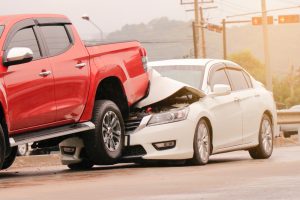 Car accidents can be life-changing, leaving victims with serious injuries, mounting medical bills, and financial uncertainty. Building a solid case after a collision requires more than simply filing a claim. It demands careful investigation, documentation, and legal strategy. At the Law Offices of Keith J. Stone, our firm has represented the Southern California community since 1986, offering personalized legal support to accident victims seeking justice.
Understanding How a Personal Injury Case Begins
After a car accident, the first step a personal injury attorney in California takes is to establish the foundation of the case. This includes collecting critical evidence, identifying responsible parties, and determining the full extent of the client’s damages. Police reports, witness statements, and photos from the scene help establish fault, while medical documentation links the accident directly to the client’s injuries. Early legal involvement ensures that no vital information is lost or overlooked during the investigation.
A skilled personal injury lawyer also reviews insurance policies to understand coverage limits and obligations. Insurance companies often attempt to reduce payouts by disputing claims or shifting blame. Legal representation helps counter these tactics through evidence-backed arguments and professional negotiation, ensuring victims receive fair compensation.
Investigating the Accident Scene
Every successful claim begins with a detailed investigation. A car accident attorney examines every available source of evidence, from skid marks and vehicle damage to surveillance footage and traffic data. In complex cases, accident reconstruction specialists may be consulted to recreate the event and verify liability.
During this stage, attorneys also gather information about weather, road conditions, and potential mechanical failures. By combining expert testimony and technical reports, the evidence paints a clear picture of how negligence occurred. This foundation strengthens negotiations with insurance companies or prepares the case for litigation if a settlement cannot be reached.
Evaluating Medical Evidence and Damages
Medical documentation is central to every car accident case. A car accident lawyer carefully reviews treatment records, diagnostic tests, and physician notes to establish a direct link between the accident and the injuries sustained. These records form the backbone of a claim, allowing the attorney to calculate damages accurately.
Damages typically include medical expenses, lost wages, property damage, and pain and suffering. In severe cases involving permanent disability or wrongful death, the compensation may also account for long-term care or loss of companionship. A well-documented claim gives the attorney the leverage needed to demand appropriate restitution for the client’s suffering.
If you were injured in a collision and need a proven advocate, contact us today to speak with an attorney who will fight for your rights. Our firm provides compassionate representation and decades of legal experience to help you secure the recovery you deserve.
Negotiating with Insurance Companies
Insurance negotiations can be one of the most challenging stages in a personal injury claim. Insurers are driven by minimizing payouts, often offering settlements that undervalue the true cost of recovery. An experienced auto accident lawyer uses documentation, expert reports, and financial evidence to demonstrate the full impact of the injuries. By calculating both current and future costs, attorneys ensure the compensation reflects the actual harm suffered.
When negotiations stall, litigation may become necessary. In such cases, the attorney prepares to present the evidence before a jury, emphasizing the responsible party’s negligence and the client’s pain and suffering. This process not only increases the likelihood of fair compensation but also shows the insurer that the case will not be easily dismissed.
Litigation and Courtroom Preparation
When settlement negotiations fail, a personal injury attorney moves the case to trial. Preparing for litigation involves meticulous attention to detail, from witness preparation to organizing exhibits and pre-trial motions. Each element must support the narrative of negligence and the damages incurred by the victim.
Courtroom strategy depends on credible evidence and persuasive storytelling. Jurors are more likely to sympathize with victims who can clearly demonstrate how their lives have been disrupted. The attorney highlights every consequence of the accident, from physical limitations to emotional distress, to ensure the client’s suffering is fully recognized.
Building Trust and Communication with Clients
Successful cases rely on more than evidence; they depend on trust. Keith J. Stone’s attorney profile highlights decades of dedicated service to accident victims in San Diego and throughout California. Open communication helps clients stay informed about case progress and understand the next steps, reducing stress during what can be an overwhelming period.
Our firm also prioritizes personalized attention, ensuring that every client feels valued and heard. Testimonials from satisfied clients on our reviews page reflect our long-standing commitment to professionalism, compassion, and successful outcomes. The positive feedback from clients reinforces our reputation for achieving results that make a meaningful difference in their recovery.
Collaborating with Experts and Witnesses
To build credibility in complex cases, attorneys often work with experts from various fields. Medical professionals assess the long-term effects of injuries, while economists project the financial impact of lost income and rehabilitation costs. Accident reconstructionists and engineers can clarify how collisions occurred, making their testimony invaluable in both negotiations and trial settings.
These collaborations ensure that claims are supported by factual, scientific evidence rather than assumptions. They also reinforce the attorney’s position during settlement talks, increasing the likelihood of a favorable outcome without prolonged litigation. In cases involving wrongful death, vocational experts may provide insight into the economic value of a lost family member’s contributions, strengthening the damages claim further.
Why Legal Representation Matters
While some individuals may attempt to handle insurance claims independently, legal representation often leads to higher settlements and fewer delays. Attorneys understand procedural rules, filing deadlines, and evidentiary standards. Each of these elements can make or break a case. According to a National Highway Traffic Safety Administration report, even minor procedural errors can delay compensation significantly.
By entrusting your claim to a seasoned professional, you gain an advocate who can counter insurance tactics, manage complex documentation, and ensure every legal requirement is met. The difference between a handled claim and a properly managed case can often translate to thousands of dollars in additional compensation, emotional peace, and long-term stability for victims and their families.
Preserving Evidence and Filing Deadlines
Timely action after a car accident is essential. California law imposes strict statutes of limitations for personal injury claims, generally allowing two years from the date of injury to file a lawsuit. Evidence such as photographs, medical records, and correspondence should be preserved immediately to avoid disputes later. Working with an attorney ensures compliance with all legal requirements and prevents costly procedural mistakes.
Victims who delay seeking counsel risk losing valuable evidence or missing critical deadlines. Consulting a professional early ensures that every aspect of the claim, from documentation to negotiation, is executed efficiently and accurately. Acting quickly also helps strengthen witness credibility while the details remain fresh.
Strong Advocacy for Every Client
A strong car accident case requires diligence, preparation, and deep understanding of personal injury law. From initial investigation to courtroom advocacy, the attorney’s role is to protect the client’s interests and pursue the maximum possible recovery. The Law Offices of Keith J. Stone has been a trusted name in San Diego since 1986, representing victims with honesty and determination. To discuss your potential claim or schedule a consultation, contact us today.
 Understanding how the statute of limitations works is crucial for anyone considering a legal claim after an injury or wrongful death. The statute of limitations sets a strict deadline for filing a lawsuit, and missing that deadline can permanently bar recovery. At the Law Offices of Keith J. Stone, we have helped clients across Southern California protect their rights and pursue fair compensation since 1986. Each case type has its own time limits under California law, so knowing when to act is vital.
The General Rule for Personal Injury Cases
In California, most personal injury claims must be filed within two years of the date of injury. This rule applies to incidents such as car accidents, slips and falls, and dog bites. The time frame ensures that evidence remains available and that witnesses can recall details accurately. If a claim is not filed within this period, the court will typically dismiss it, regardless of the strength of the evidence.
A skilled personal injury lawyer can help determine exactly when the statute began to run, as certain circumstances, such as delayed discovery of an injury, can affect the filing deadline. For instance, if someone did not immediately realize the extent of their injuries after an accident, the clock might start when the harm was discovered rather than when the event occurred.
Statute of Limitations for Wrongful Death Claims
Wrongful death cases follow a different rule. Under California Code of Civil Procedure Section 335.1, family members generally have two years from the date of death to file a lawsuit. However, calculating this period can be more complex than it seems. If the cause of death was not immediately known, the statute may begin when the family learns that negligence or misconduct contributed to the loss.
A wrongful death lawyer plays a vital role in helping families understand these nuances and avoid missing critical filing deadlines. Wrongful death cases often involve detailed investigations, so starting early allows your attorney to collect medical records, expert opinions, and financial documentation that support the claim.
If you have lost a loved one or sustained injuries in an accident, visit the firm’s contact page to schedule a consultation and learn how the Law Offices of Keith J. Stone can protect your rights.
Other Case Types and Exceptions
Not every case follows the standard two-year rule. Claims involving government entities, for example, have much shorter time limits. If you are injured on public property or by a government employee, you typically must file an administrative claim within six months before taking the matter to court. Medical malpractice cases may also differ, often requiring action within one year of discovering the injury or within three years of the incident, whichever comes first.
For minors or individuals who are legally incapacitated, the statute may be paused, or “tolled,” until the person reaches adulthood or regains capacity. Because these exceptions vary widely, consulting with a personal injury attorney in San Diego can help clarify which rules apply to your situation and ensure that all filings are completed correctly and on time.
Why Deadlines Are So Important
The statute of limitations serves two purposes: it promotes fairness and preserves evidence. Waiting too long can make it difficult to locate witnesses, secure documents, or reconstruct accident scenes. Courts enforce these deadlines strictly to prevent claims from becoming unreliable due to faded memories or lost records.
Working with an attorney soon after an incident gives your case the best chance of success. The attorney profile for Keith J. Stone highlights more than three decades of dedication to clients in personal injury and wrongful death cases. You can also explore our testimonials to see how past clients describe their experiences and outcomes.
Protect Your Right to Recovery
Missing the statute of limitations can mean losing the opportunity to recover damages entirely. If you suffered injuries or lost a loved one due to negligence in San Diego or anywhere in California, our firm is ready to help. The Law Offices of Keith J. Stone provides experienced legal representation in personal injury and wrongful death cases, guiding clients through every stage of the claims process. Contact us today to speak with an attorney who can help you understand your deadlines and take action before time runs out.
 Proving negligence in a premises liability case means showing that a property owner failed to maintain a safe environment and that this failure caused your injury. If you were hurt due to unsafe conditions on another person’s property, understanding how to establish negligence is essential. At the Law Offices of Keith J. Stone, we have represented injured clients across Southern California since 1986, focusing on personal injury cases that prioritize trust and results. If you were injured by a property hazard, reach out through the firm’s contact page to schedule a consultation.
What Must Be Proven to Establish Negligence
To prove negligence, four elements must be shown: duty, breach, causation, and damages. Property owners owe a duty of care to maintain safe premises for guests, tenants, and customers. When they fail to repair or warn about unsafe conditions, they breach that duty. If that breach directly causes injury and measurable harm, such as medical expenses or lost income, the owner can be held liable. A premises liability attorney can help gather evidence and evaluate these factors to determine whether negligence can be proven.
In California, Civil Code Section 1714 requires property owners to act with reasonable care toward lawful visitors. The owner’s knowledge of a dangerous condition, whether actual or constructive, is key to proving liability. Maintenance logs, witness statements, and inspection reports often help demonstrate that the owner knew or should have known about a hazard but failed to correct it.
Proving Breach and Causation
Establishing that a dangerous condition existed and directly caused an injury is central to any case. Photographs of the hazard, medical records, and testimony from witnesses can provide persuasive evidence. For instance, a spill left unaddressed in a store aisle may show that employees ignored safety obligations. Linking that unsafe condition to your specific injury is what proves causation.
Working with a personal injury lawyer in California can ensure these elements are presented effectively. Legal counsel can obtain surveillance footage, request maintenance records, and consult with experts to verify how the hazard occurred. Strong documentation supports the argument that the property owner acted negligently and that this negligence caused the injury.
Evidence That Strengthens a Premises Liability Claim
Gathering and preserving evidence early helps strengthen your claim. Photographs, videos, and witness statements are crucial in showing how long a hazardous condition existed before the injury occurred. Maintenance records or prior incident reports can reveal whether the owner repeatedly ignored safety concerns. Evidence of damages, including hospital bills, treatment records, and proof of missed work, demonstrates how the incident affected your life.
If you want to understand how our firm approaches these cases, visit the attorney profile for Keith J. Stone, which highlights his decades of experience representing clients in personal injury matters. You can also explore the firm’s testimonials to see how past clients describe their outcomes.
The Value of Legal Representation
Property owners and insurers often try to minimize or deny claims by disputing how an injury occurred. A skilled personal injury attorney can counter these efforts with clear evidence, expert opinions, and persuasive negotiation. At the Law Offices of Keith J. Stone, we have helped countless clients in auto accidents, dog bite incidents, wrongful death cases, and premises liability claims. You can also review attorney Keith J. Stone’s professional profile on Avvo to learn more about his background and reputation.
Pursue Justice After a Premises Injury
If you suffered an injury on unsafe property in San Diego or anywhere in California, acting quickly can make all the difference. Evidence can fade, and witness recollections can weaken over time. The Law Offices of Keith J. Stone can guide you through each stage of your claim, ensuring that your rights are protected and that your case receives the attention it deserves. Our firm is dedicated to pursuing justice and fair compensation for those harmed by negligent property owners. Contact us today to discuss your situation and learn how our team can help you move toward recovery.
 Losing a loved one due to someone else’s negligence or misconduct is a devastating experience that brings both emotional and financial burdens. At the Law Offices of Keith J. Stone, we provide compassionate representation to families seeking justice after a wrongful death. Understanding how the process works in California can help you take informed steps toward accountability and fair compensation.
Who Can File a Wrongful Death Claim
Under California law, certain family members are legally permitted to file a wrongful death claim. These typically include a surviving spouse, domestic partner, or children. If none of these parties are available, others who were financially dependent on the deceased, such as parents or stepchildren, may also qualify.
A wrongful death lawyer in California can evaluate eligibility and guide families through determining who should file and what damages may apply. The claim seeks to compensate for both financial losses, such as funeral expenses and lost income, and the emotional toll caused by the loss of companionship and support. To learn more about attorney Keith J. Stone’s decades of experience representing families, visit his attorney profile.
Understanding the Legal Process
The process begins with an investigation to determine how the death occurred and who is legally responsible. Evidence such as police reports, medical records, and witness statements plays a crucial role in building the claim. Once the responsible party is identified, your attorney will file a wrongful death lawsuit in the appropriate California court.
Throughout the process, legal counsel ensures compliance with procedural rules, manages communications with insurers, and advocates for fair settlements or verdicts. Working with a wrongful death attorney can help you navigate deadlines, collect evidence, and present a strong case. If you are unsure where to start, schedule a consultation with our firm today to discuss your options and protect your rights.
Timeline for Filing in California
In most cases, families must file a wrongful death lawsuit within two years of the date of death, as outlined under the California Code of Civil Procedure Section 335.1. Missing this deadline can prevent recovery, regardless of the strength of the claim.
A wrongful death lawyer in California can help ensure your case is filed correctly and within the statutory timeframe. Some exceptions may apply in some instances, such as those involving government agencies or situations where the cause of death was not immediately known. Because every case is different, legal guidance early in the process is essential to confirm deadlines and preserve your right to pursue compensation.
During this period, your attorney will manage filings, negotiate with insurance providers, and gather supporting evidence to build a strong claim. Acting promptly allows your legal team to protect critical evidence and maintain compliance with state requirements.
Damages Available in a Wrongful Death Claim
A successful wrongful death claim can result in several forms of compensation. These often include medical bills incurred before death, funeral and burial expenses, loss of future income, and non-economic damages for the loss of care, companionship, and affection.
Courts may also consider the age, health, and earning capacity of the deceased when calculating damages. In cases involving reckless or intentional conduct, additional punitive damages may be awarded to punish the responsible party and deter similar behavior in the future. You can read what families say about their experiences with the Law Offices of Keith J. Stone to understand how our firm supports clients through these complex claims.
Why Choose Legal Support You Can Trust
Handling a wrongful death claim requires sensitivity, attention to detail, and a clear understanding of California’s legal procedures. Since 1986, our firm has been committed to helping families in San Diego recover both financially and emotionally after tragic losses, and we take pride in pursuing justice while allowing clients to focus on healing. If you have lost a loved one due to another’s negligence, contact us today to begin your path toward closure and accountability.
 Understanding personal injury law begins with grasping the key terms that shape how claims are filed, proven, and resolved. At the Law Offices of Keith J. Stone, we help injured individuals in San Diego and throughout Southern California understand their rights and pursue fair compensation. Whether you’re dealing with a car accident, dog bite, or wrongful death claim, knowing what terms like “plaintiff,” “liability,” and “damages” mean can make a significant difference in how your case progresses.
Who Is the Plaintiff in a Personal Injury Case
The plaintiff is the injured party who brings a claim or lawsuit against the person or entity responsible for their harm. In personal injury cases, the plaintiff must prove that the other party’s negligence caused their injuries. This may involve showing that the defendant owed a duty of care, breached that duty, and directly caused the resulting harm.
For example, if a driver runs a red light and causes a collision, the injured victim becomes the plaintiff seeking recovery for medical bills, property damage, and other losses. Working with a personal injury attorney in San Diego can help ensure your rights are protected and that evidence is properly gathered from the start. Learn more about attorney Keith J. Stone’s approach to representing injured clients through his attorney profile.
Understanding Liability in Personal Injury Law
Liability refers to legal responsibility for an accident or injury. To prove liability, the plaintiff must demonstrate that the defendant’s actions or failure to act led to the injury. This can include reckless driving, unsafe property conditions, or a failure to control a dangerous animal.
Establishing liability often requires careful analysis of police reports, witness statements, and expert testimony. In many cases, insurers may attempt to minimize or deny liability, which is why having a personal injury lawyer in San Diego who understands California law is critical. Under California Civil Code Section 1714, everyone is responsible for injuries caused by their lack of ordinary care or skill in managing their property or conduct. To learn how these laws may affect your case, schedule a consultation with our firm today.
What Damages Mean in a Personal Injury Claim
Damages represent the monetary compensation awarded to the plaintiff to make up for the harm they have suffered. These can include both economic damages, such as medical expenses and lost wages, and non-economic damages, such as pain and suffering or emotional distress.
In severe cases, such as those involving reckless conduct, courts may also award punitive damages to deter similar behavior in the future. When evaluating a claim, our firm reviews all available documentation, including hospital records and financial statements, to ensure that every loss is accurately valued. You can read about how our clients describe their experience with the Law Offices of Keith J. Stone on our testimonials page.
Why Legal Representation Matters
Understanding these terms is only part of what it takes to secure a fair outcome. Every personal injury case requires careful attention to deadlines, court filings, and communication with insurance companies. An experienced legal advocate can handle these details while ensuring your case meets California’s legal standards.
Our firm has been serving the San Diego community since 1986, focusing on building strong relationships and achieving successful outcomes for those injured by negligence. Whether your claim involves an auto accident, premises liability, or a dog bite, our team provides the guidance you need to recover the compensation you deserve.
Getting Help After an Injury
When dealing with the effects of an injury, having trusted legal support can make all the difference. The Law Offices of Keith J. Stone offers personalized representation and decades of experience in helping clients hold negligent parties accountable. Our firm understands how challenging recovery can be, and we are dedicated to protecting your right to fair compensation.
If you need assistance from our personal injury attorney, contact us today to start building your case with a firm that values both justice and compassion.
